the pike group

Military Moves


Local Culture 101: Understanding Halifax Life

Relocating to Halifax comes with more than a new posting — it comes with an entirely new vibe. Nova Scotians have their own blend of coastal charm, Maritime humour, tradition, and down-to-earth friendliness that makes the city feel like home faster than most places.

If you’re new to HRM, here’s your unofficial crash course on what Halifax life really feels like.

1. Halifax Is Friendly — Genuinely Friendly

You’ll notice it your first week:

  • People hold doors.

  • They chat in line at the grocery store.

  • They wave when they let you merge (most of the time).

  • Strangers say “Hi” when walking past you on a trail.

It’s not an act. It’s just how people are here.

Military families often say the friendliness makes the transition easier than any other posting.

2. Coffee Shops Are the Social Heartbeat

Sure, every city has coffee shops — but Halifax has coffee culture.
Locals treat cafés like community hubs.

Popular spots include:

  • Two If By Sea (Dartmouth)

  • Java Blend (North End)

  • Weird Harbour (Downtown)

  • Timber Coffee (Bedford)

You’ll find students, remote workers, artists, and families all sharing space. It’s social without feeling forced.

3. The Ocean Shapes Everything

The coastline isn’t just scenery — it influences the entire lifestyle.

You’ll notice:

  • People dress for wind, not temperature

  • “Let’s go for a drive” usually means “Let’s see the water”

  • Seafood is as normal as bread and milk

  • Storm-watching is practically a sport

  • Days off turn into beach days without planning

Once you live here, you’ll start craving salty air more than you expect.

4. Halifax Is Big Enough to Have Everything… Small Enough to Feel Intimate

Halifax isn’t a giant city — and that’s part of its charm.

You get:

  • Strong arts and food culture

  • Universities and research centres

  • Music festivals

  • Historic architecture

  • A lively downtown

But you also get:

  • Familiar faces

  • Walkable neighbourhoods

  • Easy commutes

  • Community feeling

  • Local shops that remember your name

It’s the best of both worlds.

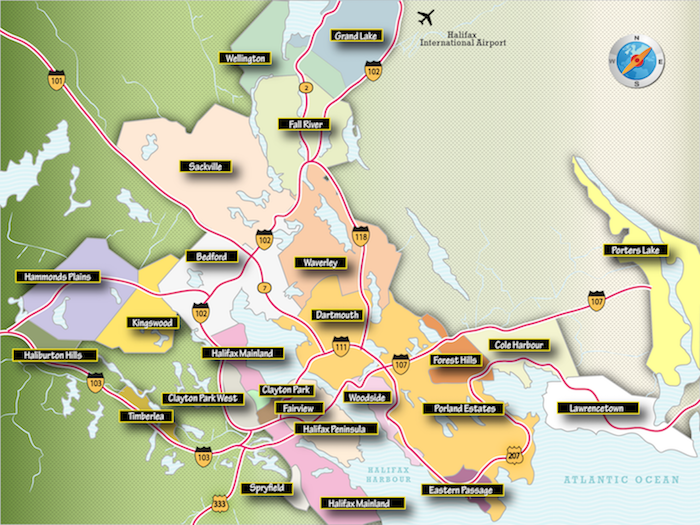
5. Neighbourhoods Have Distinct Personalities

Each part of HRM has its own vibe — and locals are proud of it.

Halifax Peninsula

Historic, walkable, urban, café-heavy.

North End

Trendy, artsy, diverse, full of food spots.

Dartmouth

Creative, laid-back, community-driven.

Bedford

Family-oriented, suburban, polished.

Sackville

Friendly, practical, great value and space.

Eastern Passage & Cow Bay

Surf culture, coastal charm, tight-knit.

Hammonds Plains & Tantallon

Nature-focused, spacious, local-business-driven.

Understanding these personalities helps newcomers feel grounded fast.

6. The Food Scene Is Way Better Than Anyone Expects

Whether you love seafood, comfort food, multicultural dishes, breweries, or bakeries — Halifax has a surprisingly rich food scene.

Local favourites include:

  • Donairs (Halifax’s unofficial food)

  • Fish and chips

  • Chowder

  • Craft beer

  • Lobster everything

  • Incredible brunch culture

Military families often fall in love with the food faster than they expected.

7. Weather: Expect Everything, Sometimes in One Day

Halifax weather is… character-building.

You’ll get:

  • Fog

  • Mist

  • Stunning sunshine

  • Nor’easters

  • Wind that challenges your hairstyle

  • Snow that melts the next morning

Locals don’t complain — they adapt.
Layers are your new best friend.

8. Community Matters Here

One thing that stands out in Halifax is how much people support one another. From neighbourhood fundraisers to seasonal events, Halifax embraces community values.

Examples:

  • Tree-lighting ceremonies

  • Farmers’ markets

  • School fairs

  • Volunteer-led sports

  • Local makers markets

Military families often feel welcomed quickly because community engagement is woven into daily life.

9. Nova Scotians Have Their Own Language Quirks

Don’t be surprised by phrases like:

  • “Right some good” (really great)

  • “Fill your boots” (go ahead, enjoy)

  • “Stay where you’re at — I’ll come where you’re to” (you stay, I’ll come to you)

  • “Smarten up” (improve your behaviour or pay attention)

It’s all part of the charm.

10. “Local Time” Is a Real Thing

The pace here is relaxed. Not slow — relaxed.
People enjoy life. They chat. They’re not rushing 24/7.

Newcomers from Ontario or Alberta often say it takes a few weeks to adjust, but once they do, they never want to go back.

11. There’s Always Something Happening

Halifax punches above its weight in events and entertainment.

Seasonal highlights include:

  • Halifax Jazz Festival

  • Buskers Festival

  • Natal Day

  • Nocturne Art at Night

  • Ribfest

  • Boardwalk festivals

  • Year-round live music

You’ll never be bored unless you choose to be.

Final Thoughts

Halifax’s culture is a mix of friendliness, ocean living, creativity, community pride and relaxed energy — a combination that wins over military families every year. Whether you’re here for two years or ten, the city has a way of making you feel like you belong.

Written by Sandra Pike, REALTOR®, Royal LePage Atlantic
Helping DND families understand not just where to live — but how to live like a local.

Read

The Best Hiking and Outdoor Spots Around Halifax

If you’ve been posted to Halifax, you’re in for a treat — the region is packed with outdoor adventures, and most of them are shockingly close to the city. Whether you prefer challenging hikes, peaceful walks, beaches, or kid-friendly nature loops, Halifax has something for everyone.

Here’s your guide to the most-loved hiking and outdoor locations near CFB Halifax.

1. Point Pleasant Park

Distance: 10 minutes from CFB Halifax

This is where city life meets forest meets ocean.
Perfect for:

  • Daily walks

  • Running

  • Dog-friendly outings

  • Coastal views

  • Exploring old fortifications

Trails range from wide gravel paths to smaller forest tracks — great for all skill levels.

2. Long Lake Provincial Park

Distance: 10–15 minutes

This huge park has become a favourite hangout for families and hikers.

Highlights:

  • Clearly marked trails

  • Swimming spots

  • Kayaking and paddleboarding

  • Peaceful forest areas

The lake views on sunny days are stunning.

3. Duncan’s Cove Coastal Trail

Distance: 25–30 minutes

A rugged coastal hike that delivers some of the most breathtaking oceanside views in HRM.

Expect:

  • Dramatic cliffs

  • Crashing waves

  • Granite barrens

  • Wildlife sightings

It’s windy, rocky and unforgettable. Not ideal for toddlers, but perfect for adventurous families.

4. Polly’s Cove Trail

Distance: 40 minutes

Think “Peggy’s Cove,” but quieter and more untouched.

Enjoy:

  • Coastal views

  • Rolling granite terrain

  • Hidden coves

  • Fewer crowds

This one feels like something from a tourism commercial — photographers love it.

5. Crystal Crescent Beach + Coastal Trail

Distance: 35–40 minutes

If you love a mix of beach and wilderness, this is the spot.

Features:

  • Three stunning white-sand beaches

  • A long, rugged loop with jaw-dropping views

  • Great birdwatching

  • Seals offshore

It’s one of the most Instagrammed nature areas around Halifax.

6. Hemlock Ravine Park

Distance: 10–15 minutes

A beautiful, gentle trail system perfect for families or evening dog walks.

Highlights:

  • Forested loops

  • Heart-shaped pond

  • Quiet, peaceful environment

  • Close to Bedford and Rockingham

Ideal for low-intensity hiking days.

7. Shubie Park

Distance: 15 minutes

Dartmouth’s favourite outdoor escape — a perfect combo of lakeside paths and forest trails.

Enjoy:

  • Off-leash dog areas

  • Wide, stroller-friendly paths

  • Canal history

  • Great picnic spots

This is one of the most accessible parks for families living near Shearwater or Dartmouth.

8. Salt Marsh Trail

Distance: 20–25 minutes

A long, flat trail built on an old rail line stretching across coastal marshland.

Expect:

  • Wide open ocean views

  • Birdwatching

  • Windy boardwalk areas

  • Easy terrain

Great for biking, walking, or long, peaceful outings.

9. Bluff Wilderness Trail

Distance: 20 minutes

For experienced hikers wanting a challenge — this trail is tougher, longer and wilder.

Known for:

  • Steep climbs

  • Wilderness views

  • Rocky terrain

  • Several loops of increasing difficulty

Great for those looking for real backcountry vibes close to the city.

10. McNabs Island

Distance: short ferry ride

A full-day adventure that feels like you’re stepping back in time.

Discover:

  • Abandoned forts

  • Beaches

  • Historic buildings

  • Forest trails

  • Ocean lookouts

Bring a picnic — it’s one of the most unique outdoor spots in HRM.

11. Victoria Park (Truro)

Distance: 1 hr*

A bit farther, but worth the drive.

What makes it special:

  • Waterfalls

  • Wooden staircases

  • Deep forest ravines

  • Well-kept paths

Great for families wanting a full hiking day.

12. Musquodoboit Trailway & Gibraltar Rock Look-off

Distance: 45 minutes

A perfect mix of easy and hard trails depending on what you’re in the mood for.

Highlights:

  • Long flat rail trail

  • Challenging side loops

  • Incredible scenic viewpoints

  • Great for mountain biking

It’s one of Nova Scotia’s most underrated hiking networks.

Final Thoughts

Halifax makes it incredibly easy to get outdoors, whether you want a quiet weekday walk, a family picnic spot, or a weekend adventure along dramatic coastal cliffs. Military families love that some of the region’s most beautiful trails are only minutes from base, meaning you never have to travel far to enjoy Nova Scotia’s natural beauty.

Written by Sandra Pike, REALTOR®, Royal LePage Atlantic
Helping military families discover the best of Halifax — both in the city and on the trails.

Read

Top 10 Halifax Restaurants Loved by Military Families

One thing military families always talk about when they move to Halifax?
The food.

HRM has one of the best dining scenes on the East Coast — casual, friendly, and full of comfort food, seafood and international flavours. Whether you’re grabbing a quick bite after a long shift or enjoying a weekend brunch with the family, these restaurants consistently top the list.

Here are the 10 restaurants military families love most when they’re posted to Halifax.


1. The Stubborn Goat Gastropub

Downtown Halifax

A go-to for comfort food, social vibes and waterfront proximity.

Try:

  • Braised beef poutine

  • Goat cheese dip

  • Wood-fired pizzas

Great for: date nights, group outings, weekend afternoons.


2. Edna Restaurant

North End Halifax

A stylish but relaxed spot with fresh, seasonal local dishes.

Try:

  • Buttermilk fried chicken

  • House-made pastas

  • Weekend brunch (amazing!)

Perfect for foodies who love Nova Scotia flavours.


3. The Bicycle Thief

Halifax Waterfront

One of Halifax’s most-loved restaurants — Italian-inspired, lively, and right on the harbour.

Try:

  • Lobster linguine

  • Seafood risotto

  • Tiramisu

A top choice for special occasions and welcoming visiting family.


4. Jamieson’s Irish House & Grill

Dartmouth (Cole Harbour)

A neighbourhood favourite with hearty meals and a warm pub vibe.

Try:

  • Fish cakes

  • Warm spinach salad

  • Shepherd’s pie

Excellent for families living near Shearwater.


5. The Canteen

Downtown Dartmouth

Light, bright and delicious — a hit with brunch lovers and families.

Try:

  • The Crobster Roll

  • Fried chicken sandwich

  • Lobster chowder

Great for weekend outings and relaxed lunches.


6. The Wooden Monkey

Halifax & Dartmouth

Comfort food with a healthy twist — lots of gluten-free and vegan options too.

Try:

  • Maple curry chicken

  • Seitan donair

  • Sweet potato fries

A favourite for families with dietary needs.


7. JoBees Pizza

Dartmouth & Eastern Passage

Military families rave about it for good reason — it’s local, delicious and consistent.

Try:

  • Donair pizza

  • Classic pepperoni

  • Garlic fingers (absolutely mandatory)

Perfect for quick dinners and movie nights.


8. Salt + Ash Beach House

Halifax Waterfront

Newer on the scene but wildly popular — wood-fired coastal comfort food.

Try:

  • Fire-roasted wings

  • Chowder fries

  • Smoked brisket sandwich

Fun, modern, and great for groups.


9. Ela! Greek Taverna

Bedford & Halifax

Family-friendly, fresh Mediterranean flavours, generous plates.

Try:

  • Chicken souvlaki

  • Spanakopita

  • Calamari

Great for sharing and easy weeknight dinners.


10. Ramen JoJo

Halifax North End

Halifax’s top spot for comforting, flavour-packed bowls of ramen.

Try:

  • Spicy tonkotsu

  • Shoyu ramen

  • Bao buns

Perfect for chilly days, late suppers and takeout.


Bonus Mentions (Because It’s Too Hard to Stop at 10)

  • Chanoey’s Pasta – cozy bowls of handmade pasta

  • Studio East – creative Asian fusion

  • The Narrows – outstanding BBQ

  • Habaneros – Halifax’s answer to fresh Mexican bowls & burritos

  • Rinaldo’s – Italian sandwiches + pizza

Military families often adopt “their place” quickly — Halifax makes that easy.


Final Thoughts

One of the best ways to feel at home in Halifax is to explore its food scene. Whether you’re craving comfort after a long week, celebrating a milestone, or grabbing something quick between shifts, these restaurants will quickly become part of your regular rotation.


Written by Sandra Pike, REALTOR®, Royal LePage Atlantic
Keeping DND families connected to the best of Halifax living — one great meal at a time.

Read

Weekend Adventures Near CFB Halifax

One of the biggest perks of being posted to Halifax is how much there is to do within 20 minutes… 40 minutes… or an hour. Whether you like hiking, food, beaches, small towns or just exploring with the kids, Halifax delivers weekend fun without requiring a full road trip.

Here’s a breakdown of the best weekend adventures close to CFB Halifax — perfect for military members and their families.

1. Halifax Waterfront Boardwalk

Distance: 5–10 minutes from base

The waterfront is one of Halifax’s crown jewels. You can walk for miles along the boardwalk, grab an ice cream, tour the shops, or watch the ships come in.

Best things to do:

  • Pizza at Stubborn Goat

  • Amphibious Harbour Hopper tour

  • Canadian Museum of Immigration at Pier 21

  • Seasonal pop-up shops and patios

It’s lively in summer and peaceful in winter — perfect for a quick, easy outing.

2. Point Pleasant Park

Distance: 10–15 minutes

This is where locals go to breathe. The trails weave through forest, historic forts, and stunning ocean viewpoints.

Great for:

  • Dog walks

  • Family biking

  • Jogging

  • Picnics

  • Watching ships enter the harbour

If you’re posted near the Dockyard, this becomes your weekend “reset” spot.

3. Peggy’s Cove

Distance: ~45 minutes

Classic Nova Scotia. The lighthouse, the rocks, the coastal views — it’s all just as magical on your tenth visit as your first.

Why it’s worth the drive:

  • World-famous lighthouse

  • Coastal photography

  • Oceanfront restaurant

  • New accessible viewing deck

Go early in the morning or close to sunset for fewer crowds.

4. Crystal Crescent Beach

Distance: ~35–40 minutes

Three beaches, white sand, turquoise water and one of the best coastal hikes in the province.

Perfect for:

  • Beach days

  • Hiking the rugged trail

  • Seals and wildlife spotting

  • Cold-water swimming (very cold!)

This is the “wow” spot for many new military families.

5. Lawrencetown Beach & Surfing

Distance: ~30 minutes

Lawrencetown is a surfer’s paradise — and yes, people surf here year-round.

You’ll find:

  • Surf rentals

  • Surf lessons

  • Boardwalk viewpoints

  • A strong community vibe

It’s a huge hit with teens and adventurous families.

6. Downtown Dartmouth

Distance: 15–20 minutes

Often overlooked, but one of the most charming urban spots around.

Top stops:

  • Two If By Sea Café

  • Lake Banook paddling

  • Alderney Landing Market

  • Dartmouth Cove art murals

The ferry ride from Halifax takes only a few minutes and kids love it.

7. Fisherman’s Cove, Eastern Passage

Distance: 15–20 minutes (perfect for Shearwater families)

This colourful boardwalk village is small but full of charm.

Expect:

  • Local artisan shops

  • Ice cream stops

  • Oceanfront views

  • Short coastal trails

  • Occasional live music

It’s peaceful, photogenic and incredibly close to base.

8. Long Lake Provincial Park

Distance: 10–15 minutes

Right off the peninsula, Long Lake offers:

  • Easy trails

  • Swimming spots

  • Kayaking

  • Year-round hiking

A go-to for families who want fresh air without leaving the city.

9. Wolfville & the Annapolis Valley

Distance: 1 hour

If you have half a day or a full day, the Valley is a gem.

Highlights:

  • Vineyards

  • Farm markets

  • Pumpkin patches

  • Scenic drives

  • Restaurants & cafés

It’s one of Nova Scotia’s most beautiful regions — especially in autumn.

10. Lunenburg & Mahone Bay

Distance: 1 hr–1 hr 15 minutes — but worth every minute

Colourful seaside towns with walkable streets, local shops and postcard-perfect views.

Things to enjoy:

  • The UNESCO fishing village of Lunenburg

  • Mahone Bay’s iconic church views

  • Waterfront restaurants

  • Historic tours

  • Artisan boutiques

It’s ideal for relaxed Saturdays.


11. Purcell’s Cove Backlands

Distance: 10–20 minutes

One of the most underrated hiking areas near Halifax, full of granite barrens, lakes and panoramic views.

Great for:

  • Off-the-beaten path exploring

  • Photography

  • Dog-friendly adventures

Locals love it, but tourists rarely find it.


12. York Redoubt National Historic Site

Distance: ~20 minutes

A cliffside fortress overlooking the mouth of the harbour — perfect for families who love history and scenic lookouts.

You’ll find:

  • Tunnels

  • Cannons

  • Clifftop views

  • Picnic spots

Kids absolutely love exploring the old fortifications.


Final Thoughts

Halifax is one of those places where your weekend can be anything you want — adventurous, relaxing, coastal, urban, historic or all of the above. Military families quickly discover that the region offers an endless stream of easy getaways, each with its own Nova Scotia flavour.

Whether you’ve just been posted here or you’re rediscovering your surroundings, Halifax makes it easy to enjoy your downtime.


Written by Sandra Pike, REALTOR®, Royal LePage Atlantic
Helping military families feel at home in Halifax — both on and off the base. Posted to Halifax? Let’s make your move seamless — from your first call to your first key.

Read

Childcare in Halifax: What DND Families Need to Know

If you’re moving to Halifax with young children, childcare is probably one of the first things on your mind — and for good reason. HRM’s childcare system is improving, but demand is still high, waitlists are common, and navigating the options can feel like a full-time job.

The good news? With the right timing and strategy, military families can secure reliable childcare that fits their posting schedule, work hours and lifestyle.

Here’s everything you need to know before you arrive.

1. Daycare Waitlists Are Real — Start Early

The biggest truth about childcare in Halifax:
Waitlists can be long, especially for infants and toddlers.

Most centres operate on a waitlist-first basis, and spots typically open in:

  • September (when older kids move to school),

  • January,

  • June,

  • Or when families get re-posted.

What DND families should do:

  • Join waitlists as soon as you receive your posting message

  • Add your child to multiple centres

  • Follow up every few weeks

  • Ask specifically about “posting-related openings,” since daycares in military-heavy areas see churn

Some centres give priority to siblings — but not to military postings — so casting a wide net helps.

2. Daycare Costs in Halifax

Nova Scotia participates in the federal plan to reduce childcare costs, so fees are lower than pre-2022 levels — but they’re not universally $10/day yet.

Typical Halifax daycare pricing (2025–2026):

  • Infants (0–18 months): $40–$55/day

  • Toddlers (18m–3y): $35–$50/day

  • Preschoolers (3–5 years): $30–$45/day

Costs vary based on:

  • Age group

  • Location (peninsula is usually higher)

  • Type of care (centre-based vs home-based)

Most centres include snacks; some include lunch.

3. Centre-Based vs. Home-Based Care

Halifax offers both models, and both can work well for military families.

Centre-Based Care

Pros:

  • Structured program

  • Multiple educators

  • Reliable schedules

  • Strong curriculum

Cons:

  • Longer waitlists

  • Less flexibility

  • Higher cost

Home-Based Care (Family Day Homes)

Pros:

  • Smaller ratios

  • Often more availability

  • More flexible hours

  • Closer to neighbourhoods

Cons:

  • Spots can be limited

  • Quality varies (always check licensing)

Many DND families use a mix — daycare during full-time hours, home-based care as a gap-fill.

4. Childcare Near Military Installations

Near CFB Halifax / Stadacona:

  • Kids & Company

  • Pointe Claire Children’s Centre

  • Wee Care Developmental Centre

  • Halifax Early Childhood School

Near Shearwater:

  • Eastern Passage Childcare Centre

  • Tallahassee Early Learning Centre

  • Tiny Treasures Daycare

  • Gan Lake Home-based programs

Neighbourhoods with strong childcare availability:

  • Cole Harbour

  • Sackville

  • Hammonds Plains

  • Bedford South

  • Fall River

These areas have more new developments and therefore more childcare openings.

5. After-School Programs (Ages 5–12)

School-aged care is often easier to find, but spaces still fill fast — especially in:

  • Bedford

  • Clayton Park

  • Halifax peninsula

Typical monthly cost:

$175–$250/month
Some programs offer before-school care as well.

Popular program providers include:

  • Excel (HRCE-run, largest provider)

  • YMCA

  • SchoolsPlus

  • Private community programs


6. Part-Time, Flexible & Drop-In Care

This is where Halifax is much more limited compared to bigger cities.

Options are available, but far more rare. Most part-time families rely on:

  • Home-based caregivers

  • Nannies

  • Babysitters for evenings/weekends

Military families with shifting schedules often lean on mixed arrangements.

7. Babysitters, Nannies & Household Help

You can find excellent caregivers, but expect to plan ahead.

Typical pay rates (2025):

  • Babysitters: $18–$25/hr

  • Nannies: $20–$28/hr

  • Overnight care: $100–$150/night

Nannies are easier to find in HRM compared to infant daycare spaces.

8. Tips for DND Families to Make Childcare Easier

Start before you arrive.

Reach out to childcare centres the same week you receive your posting message.

Expand your neighbourhood search.

Choosing a home in a suburb with more childcare options can relieve a ton of stress.

Aim for September if possible.

It’s the biggest turnover month — your highest chance of securing a spot.

Ask about military rotation openings.

Some daycares will tell you, “We always get a few spots in July/August because of postings.”

Consider home-based care to bridge the gap.

Many families use this for the first 3–12 months after arrival.

Book site visits early.

Even during your house-hunting trip, you can schedule daycare tours.

9. Areas With the Easiest & Hardest Childcare Access

Easiest:

  • Sackville

  • Cole Harbour

  • Eastern Passage

  • Hammonds Plains

  • Bedford West

Hardest:

  • Halifax Peninsula

  • Downtown Dartmouth

  • Bedford core

  • South End Halifax

If childcare is your top priority, this should absolutely influence your neighbourhood choice.

Final Thoughts

Childcare in Halifax can be challenging, but when you plan ahead and understand your options, it becomes manageable — even smooth. For DND families, the key is timing, flexibility and getting onto waitlists early. Halifax’s communities are incredibly family-oriented, and once settled, most military families find childcare they’re happy with.


Written by Sandra Pike, REALTOR®, Royal LePage Atlantic
Helping military families transition smoothly into Halifax life, from childcare to neighbourhoods to housing. Posted to Halifax? Let’s make your move seamless — from your first call to your first key.

Read

What Matters When Choosing a School Near the Base

For military families, these criteria often top the list:

  • Commute time (to base and to school)

  • Stability (will the school be good if you stay only a few years?)

  • Reputation / academic programs

  • Extracurriculars and sports

  • Community feel and ease of transfer

With that in mind, here are five standout schools that tick most of those boxes.


1. Charles P. Allen High School, Bedford

A building with glass doors

AI-generated content may be incorrect.
A house with a driveway and trees

AI-generated content may be incorrect.

Location & Commute: Bedford sits within a 20–30 minute drive to central Halifax and reasonable access to base locales.
Why it stands out: Known for its strong academics, multiple programs (including IB or advanced courses) and solid community reputation.
Best for: Families wanting newer‐suburb living, good schools, slightly larger homes, and a bit of distance from downtown spin.
Heads up: Homes tend to cost more in Bedford, so budget accordingly.

2. Island View High School, Eastern Passage

A basketball hoop outside a building

AI-generated content may be incorrect.
A building with glass windows

AI-generated content may be incorrect.

Location & Commute: Situated near the coastal community of Eastern Passage—very convenient for those posted to CFB Shearwater (5-10 minute commute in many cases).
Why it stands out: A solid option when base‐proximity is top priority; community with military families and good accessibility.
Best for: Members whose posting is Shearwater‐centred or who value quick base access and coastal living.
Heads up: Because the area is a bit more niche, housing options might be fewer compared to bigger suburbs.

3. Citadel High School, Halifax Peninsula

A building with a lawn and trees

AI-generated content may be incorrect.
A building with many windows

AI-generated content may be incorrect.
A map of a city

AI-generated content may be incorrect.

Location & Commute: On the peninsula—excellent for base access to Dockyard & Stadacona; quick commute for many.
Why it stands out: Urban location, historic neighbourhood vibe, immediate access to culture, cafés and city life.
Best for: Families who want walkable communities, are comfortable in smaller lot sizes or city homes, and want to be centrally located.
Heads up: Homes on the peninsula tend to be older and the lots smaller; budget may need to stretch.


4. Halifax Grammar School (Independent)

A large brick building with a white roof

AI-generated content may be incorrect.
A building with glass windows

AI-generated content may be incorrect.
A group of children sitting at a table

AI-generated content may be incorrect.


Location & Commute: Located in Halifax proper (945 Tower Road) so base commute is still manageable.
Why it stands out: Independent school offering Junior Primary to Grade 12, with strong academic credentials. halifaxgrammar.ca
Best for: Families open to private school investment who want continuous schooling from early years through graduation.
Heads up: Tuition applies; review costs and availability of financial assistance if applicable.

5. Armbrae Academy (Independent)

A child reading a book

AI-generated content may be incorrect.
A person and person in sports uniforms

AI-generated content may be incorrect.


Location & Commute: Also in Halifax city; available for families who prioritize independent schooling. armbrae.ns.ca
Why it stands out: University-prep environment, small community feel, good for families who may stay longer or look for strong continuity.
Best for: Families committed to private schooling and willing to invest time/finances in that path.
Heads up: As with the other independent option, costs and admissions criteria apply.

How to Choose Among These Schools

Here’s a quick decision checklist for you:

  • Commute to Base vs. Commute to School: Which matters more? Quick drive to base or ideal school?

  • Duration of Posting: If you’ll be in HRM only 2–3 years, perhaps ease and stability matter more than perfect school ranking.

  • Budget for Housing vs. School: A great school may mean higher housing cost; private school means tuition.

  • Extracurriculars & Family Fit: If your family values sports, arts or music, investigate what each school offers.

  • Future Resale Value: Homes in top‐school zones typically hold value better—which matters if you sell at your next posting.


Final Thoughts

Choosing the right school in Halifax is one of the best ways to anchor your family’s posting successfully. Whether you prioritise base commute, school excellence, lifestyle or budget, the options above offer strong foundations. For DND families, combining the right neighbourhood and the right school can make all the difference in how well the posting goes.


Written by Sandra Pike, REALTOR®, Royal LePage Atlantic
Specialising in military family relocations and matching families with homes and school communities in HRM. Posted to Halifax? Let’s make your move seamless — from your first call to your first key.

Read

How to Register Your Vehicle, License, and Health Card in Nova Scotia

When you’re relocating to Halifax, the to-do list feels endless — and dealing with government registrations definitely isn’t the fun part. But knowing the steps ahead of time makes everything faster, smoother, and far less stressful, especially when juggling a DND posting timeline.

Here’s the simple breakdown of everything you need to register once you land in Nova Scotia.

1. Registering Your Vehicle in Nova Scotia

You have 90 days after becoming a resident to transfer your vehicle registration. Most military families do this shortly after settling in to avoid delays.

What You’ll Need:

  • Your current vehicle registration

  • Proof of insurance (Nova Scotia-based policy)

  • Your out-of-province driver’s license

  • Government ID

  • Completed application form (provided at the counter)

Steps:

  1. Visit any Service Nova Scotia (Registry of Motor Vehicles) office.

  2. Bring your existing registration and proof of insurance.

  3. Pay the registration fee (varies by vehicle type).

  4. Receive Nova Scotia license plates on the spot.

  5. Return your old plates to your previous province (if required).

Important Notes:

  • Nova Scotia requires a federal Out-of-Province Vehicle Inspection within 30 days of registration.

  • If your vehicle needs repairs to pass inspection, plan for extra time and cost.

  • Specialty or personalized plates may require additional processing time.


2. Switching Your Driver’s License to Nova Scotia

You also have 90 days to exchange your out-of-province license for a Nova Scotia one.

What You’ll Need:

  • Your current driver’s license

  • Proof of Nova Scotia residency (lease, purchase agreement, utility bill)

  • Government-issued ID (if not already using your license)

  • Completed application form

  • Vision test (done at the counter)

Steps:

  1. Go to a Service Nova Scotia office.

  2. Complete a simple vision screening.

  3. Provide your out-of-province license and supporting documents.

  4. Pay the standard licensing fee.

  5. You’ll get a temporary paper license while your permanent card arrives by mail.

Things to Know:

  • Most provinces transfer your driving class automatically, as long as documentation matches.

  • If your name has changed (e.g., marriage), bring supporting name-change documents.

  • Military members usually do not need to retake a road test unless there is an issue with documentation.


3. Applying for a Nova Scotia Health Card

Healthcare in Nova Scotia is provincially administered, so you must apply for a new MSI (Medical Services Insurance) card when you become a resident.

Who Is Eligible?

  • All regular force CAF members’ dependents

  • CAF members themselves typically use CF Health Services but may still need MSI in certain cases

  • Children, spouses, and dependents moving with you

What You’ll Need:

  • Proof of residency (lease, purchase agreement, utility bill)

  • Proof of Canadian citizenship or eligible status

  • Military posting message (for quicker verification)

  • Completed MSI application form

How to Apply:

  1. Download the MSI application or pick one up at a Service Nova Scotia office.

  2. Fill it out and attach copies of required documents.

  3. Submit the form:

    • In person,

    • By mail, or

    • Online (depending on current MSI processing options).

  4. MSI processes your application and mails your health card.

Processing Time:

  • Typically 2–6 weeks, depending on backlog.

  • Many DND families apply within their first week to avoid any gaps.

Important Tip:

If your family needs a family doctor, you can register with Need a Family Practice Registry once your MSI begins. Wait times vary, but urgent care clinics and walk-ins remain options in the meantime.

4. Other Registrations to Consider After Moving

While you’re updating everything, it’s smart to also take care of:

  • School registration for children

  • Voter registration (municipal & provincial)

  • Pet licensing (depending on HRM community rules)

  • Home insurance updates

  • Banking and address changes

These don’t require immediate action but help streamline your transition into Nova Scotia life.


Final Thoughts

Registering your vehicle, license and health card is one of the biggest administrative steps when moving to Nova Scotia — but once these are handled, the rest of your transition feels much easier. With the right documents ready and a clear understanding of the process, DND families can get everything finalized in just a couple of visits.

Posted to Halifax? Let’s make your move seamless — from your first call to your first key.


Written by Sandra Pike, REALTOR®, Royal LePage Atlantic
Helping DND families navigate every part of their move to Halifax.

Read

Understanding Cost of Living in Halifax for DND Families

Halifax offers ocean-side living, friendly neighbourhoods and a strong military community — but like any growing city, the cost of living has shifted in recent years. For DND families relocating here, knowing what to expect helps you budget confidently and choose the right home, neighbourhood and lifestyle without financial surprises.

This breakdown reflects what most families experience in 2025 across HRM.


Housing Costs: The Biggest Part of Your Budget

Housing in Halifax has climbed since 2020, though the market stabilized in 2024–2025.

Home Buying:

  • Average single-family home: $580,000–$620,000

  • Townhomes: $450,000–$520,000

  • Condos: $350,000–$450,000

Neighbourhoods like Sackville, Eastern Passage and Cole Harbour remain the most affordable; Bedford, Halifax Peninsula and Fall River sit on the higher end.

Renting:

  • 2-bedroom apartment: $2,000–$2,400/month

  • Townhouse rental: $2,300–$2,800/month

  • Single-family rental: $2,800–$3,500/month+

Rental availability is tight, especially for pet-friendly homes.


Utilities & Home Expenses

Nova Scotia tends to have higher utility costs than many provinces.

Average Monthly Costs:

  • Electricity (heat pump home): $180–$260/month

  • Electricity (older baseboard home): $300–$450+/month

  • Heating oil (if applicable): $300–$600/month in winter

  • Water: $40–$60/month

  • Internet: $90–$120/month

  • Property taxes: vary by area, often $3,000–$4,200/year for average homes

Heat pumps save noticeably compared to older electrical systems or oil-fired heating.


Groceries & Food

Groceries in Halifax are slightly higher than the national average, mainly due to transportation costs to the region.

Typical Monthly Grocery Costs:

  • Family of four: $900–$1,200

  • Couple: $450–$650

Eating out:

  • Casual restaurant meal: $20–$25/person

  • Family restaurant dinner: $80–$120

  • Coffee shop latte: $5–$6.50

Local markets (Seaport Market, Alderney Landing) offer fresh options, often competitively priced.


Transportation & Commuting

While Halifax traffic isn’t Toronto-level, commuting patterns matter.

Costs to Consider:

  • Gas: one of the higher prices in Canada, often around $1.75+/L depending on the month

  • Bridge tolls: $1 each direction with MACPASS

  • Insurance: typically moderate, though varies by age & driving history

  • Parking downtown: $2.50–$4 per hour; monthly passes can reach $200+/month

  • Transit pass: ~$80–$90/month

Most military families drive due to multiple base locations (Dockyard, Stadacona, Shearwater).


Childcare & School Costs

Public school is free, but childcare and after-school programs can add up.

Childcare Costs:

  • Daycare: $40–$55/day (subsidies vary)

  • After-school care: $175–$250/month

  • Summer camps: $150–$300/week

Private school tuition (if chosen) ranges from $10,000–$20,000/year depending on the institution.


Healthcare & Insurance

Nova Scotia’s healthcare system is public, but new residents may experience wait times for family doctors.

Many DND families rely on:

  • CFHS (Canadian Forces Health Services) for primary access

  • Military dental plans

  • Health-related coverage through the CAF

Prescription coverage varies by plan.


Recreation, Sports & Activities

Halifax is big on recreation — hockey, soccer, martial arts, music lessons and outdoor sports.

Approximate costs:

  • Minor hockey: $800–$1,200/season

  • Soccer: $150–$300/season

  • Dance: $50–$80/week

  • Gym memberships: $40–$80/month

Outdoor activities like hiking, beaches, and provincial parks are free or low-cost, making Halifax family-friendly year-round.


Everyday Living Costs

Miscellaneous but common monthly expenses include:

  • Cell phone: $55–$80/month

  • Household items & toiletries: $150–$250/month

  • Pet expenses: $50–$120/month

  • Entertainment (movies, outings): $100–$200/month

Halifax living costs are manageable but do add up quickly for active families.


How Halifax Compares to Other Posting Cities

Overall, Halifax sits in the mid-range of Canadian affordability:

  • More expensive than Edmonton / Winnipeg

  • Less expensive than Ottawa / Victoria

  • Similar to Kingston or Quebec City

  • Significantly more affordable than Vancouver or Toronto

Many military families find Halifax offers a strong balance: reasonable costs, ocean proximity, and a tight-knit community.

Posted to Halifax? Let’s make your move seamless — from your first call to your first key.

Read

Mortgage Options for Military Members: What You Need to Know

Buying a home while serving in the Canadian Armed Forces comes with its own set of challenges — frequent relocations, tight posting timelines, and the need for fast approvals. The good news is that lenders understand the nature of military life and offer tools and options designed to support it.

Whether you're moving into or out of Halifax, this guide walks you through the most useful mortgage options and how to choose what fits your posting, your budget, and your long-term plans.


Fast Pre-Approvals Matter More for Military Buyers

When your posting message hits, everything speeds up:

  • Your HHT

  • Your offer timelines

  • Your financing conditions

  • Your relocation window

A fast, accurate pre-approval is essential.

Military members benefit most from mortgage advisors who:

  • Work with DND files regularly

  • Understand IRP timelines

  • Prioritize quick turnarounds

  • Communicate directly with agents and lawyers

  • Provide clear payment, rate, and penalty breakdowns

This saves significant time — and sometimes saves the deal.


Fixed vs. Variable Rates: What Works Best for Military Buyers?

There’s no one right answer, but certain realities make one option more appealing than the other depending on your posting situation.

Fixed-Rate Mortgages

Best for:

  • Members expecting to stay 3–5 years or longer

  • Families wanting predictable payments

  • Anyone worried about rising rates

Benefits:

  • Payment stability

  • Easier budgeting during moves

  • Less risk of rate surprises during HHT stress

Variable-Rate Mortgages

Best for:

  • Members who may get re-posted quickly

  • Buyers expecting rates to drop

  • Those comfortable with short-term fluctuations

Benefits:

  • Often lower penalties when breaking the mortgage

  • Potential for savings if rates trend downward

  • Flexibility for frequent relocators

Since many military moves involve early mortgage breaks, penalty structure matters just as much as interest rate.


Mortgage Portability — A Big Deal for Military Life

Portability lets you take your mortgage with you if you move, rather than breaking it.

Why it matters:

  • Can save thousands in penalties

  • Smooths the transition between bases

  • Gives you more control during unpredictable postings

Many lenders allow you to:

  • Port the rate

  • Port a portion of your mortgage

  • Blend rates (if buying a more expensive home)

Military members should always ask lenders how portability works — details differ significantly.


Prepayment Privileges Are Your Friend

Military families often use prepayment privileges to:

  • Reduce mortgage balance before a posting

  • Pay down lump sums after a home sale

  • Keep financial flexibility between relocations

Most lenders offer:

  • 10%–20% lump-sum payments per year

  • Ability to increase regular payments

  • “Doubling up” payment options

Using these strategically reduces penalties if you’re re-posted earlier than expected.


Penalty Awareness: The Most Overlooked Factor

Early postings happen.
Mortgages get broken.
Penalties get expensive.

The two major penalty types:

  • Fixed-rate: Often the Interest Rate Differential, which can be high

  • Variable-rate: Typically three months’ interest — usually lower

Military buyers should ALWAYS ask:

  • How are penalties calculated?

  • What would it cost to break today?

  • What if I break it in two years?

This matters far more than most people realize.


Down Payment Options and IRP Considerations

Your IRP benefits support certain expenses, but your down payment is still your responsibility.

Options include:

  • 5% minimum for insured mortgages

  • 10% for homes over $500,000 (on the portion above)

  • 20% for uninsured mortgages (no default insurance)

For military buyers:

  • Having a pre-set down payment plan helps reduce stress

  • Early communication with your lender keeps things smooth

  • Gifted down payments (from family) are allowed with proper documentation

Your mortgage advisor should outline what documentation is needed for IRP compliance.


Programs That May Benefit Military Members

While Canada does not have a dedicated “military mortgage program,” several existing tools benefit CAF members indirectly:

Mortgage Default Insurance Programs (CMHC, Sagen, Canada Guaranty)

Useful for smaller down payments.
Can help qualify for better rates.

First-Time Buyer Incentives (when available)

Varies year to year; check eligibility.

Rate Holds

Lock in your rate for 90–120 days — great for HHT planning.

Bridge Financing

Useful if you're selling a home in another province and buying in Halifax before the sale closes.


Documents Military Buyers Should Prepare Early

To avoid delays:

  • Posting message

  • Recent pay stubs

  • T4s or tax documents

  • Government ID

  • Bank statements

  • Confirmation of savings or down payment

  • Existing mortgage statements (if applicable)

The cleaner your documentation, the faster your approval.


How Postings Affect Mortgage Strategy

Your mortgage should reflect how your career moves:

Short Posting (1–3 years):

  • Variable rates often best

  • Low penalty lenders

  • Prioritize portability

  • Conservative price range

Medium Posting (3–5 years):

  • Fixed or variable depending on rate environment

  • Strong focus on resale potential

  • Prepayment privileges matter

Long Posting or Retirement Consideration:

  • Fixed-rate stability

  • Higher down payment

  • More permanent neighbourhood choice

Your mortgage is part of your relocation strategy — not separate from it.


Final Thoughts

Military members face unique financial realities, and mortgages are no exception. The right mortgage can support your lifestyle, protect your budget, and save you thousands over multiple postings. Understanding portability, penalties, rate choices and documentation gives you the confidence to buy in Halifax without unnecessary stress or financial strain.

Posted to Halifax? Let’s make your move seamless — from your first call to your first key.

Read

How to Maximize Your IRP Budget When Moving to Halifax

Whether you’ve been posted multiple times or this is your first big move, your IRP budget is one of the most important tools in your relocation toolbox. Used well, it can save you thousands. Used poorly, it can vanish fast — especially in a market like Halifax where timing, travel and housing costs vary widely.

The goal isn’t just to avoid overspending — it’s to make the smartest spending decisions that protect your finances through the entire move.

Here’s how to make every IRP dollar count.


Understand What’s Covered — and What’s Not

Before you start booking flights, accommodations or inspections, you need a clear understanding of what your IRP funds actually cover.

Your IRP budget typically includes:

  • Travel expenses

  • Accommodations

  • Meals and incidentals

  • Home inspections

  • Appraisals (if required)

  • Legal fees

  • Real estate commissions (if selling)

  • Temporary dual residence support

  • Some move-related childcare expenses

  • Household goods shipment

You’ll stretch your budget the farthest when you know which expenses come from Core, Custom, and Personalized entitlements — and structure your choices around what’s reimbursable.


Book Early — Prices Climb Quickly in Posting Season

Halifax’s peak moving period (April–September) can cause prices for:

  • Flights

  • Hotels

  • Rental cars

  • Short-term accommodations

…to spike significantly.

Booking your HHT and travel early helps you:

  • Avoid premium rates

  • Choose locations closer to where you’ll be house-hunting

  • Prevent out-of-pocket hotel upgrades if availability is low

Your IRP dollars go further when they aren’t fighting peak-season pricing.


Choose the Right HHT Accommodation

Your accommodations are covered, but how you choose to stay can impact your remaining budget and your efficiency.

Consider:

  • Staying near likely neighbourhoods (Bedford, Dartmouth, Clayton Park) reduces driving time and fuel costs

  • Avoid downtown premium hotels unless location advantages justify the cost

  • Choose hotels with included breakfast to reduce meal expenses

  • Pick places with kitchenettes to cut down meal costs

Small decisions add up — especially over a week.


Target Communities That Fit Your Budget Before You Arrive

Halifax varies widely in price.
Doing research before landing helps you avoid touring homes that waste time and fuel dollars.

Your IRP is stretched further when you focus your search on:

  • Areas that match your budget

  • Homes that fit your posting timeline

  • Neighbourhoods with strong resale potential

  • Commutes that won’t cost you financially or emotionally

The more focused your shortlist, the fewer unnecessary costs you face.


Use Virtual Tours to Eliminate Weak Options

A powerful strategy for maximizing your IRP budget is reducing wasted time during your HHT.

Virtual tours allow you to:

  • Filter out overpriced homes

  • Avoid driving across the city for properties that won’t qualify

  • Compare conditions realistically

  • Pre-rank your top picks

Your in-person trip becomes efficient — saving gas, time, and stress.


Plan Your Home Inspection Smartly

Inspections are reimbursable, but unnecessary repeat inspections can chip away at your personalized funds.

Maximize your budget by:

  • Choosing a highly recommended inspector

  • Reviewing the property disclosure in detail first

  • Avoiding homes with obvious deal-breakers (found on virtual tour)

  • Asking your agent to check crawlspaces, outbuildings, or structural concerns ahead of time

A single good inspection is better than three rushed ones.


Keep Every Receipt — and Keep Them Organized

The biggest drain on IRP budgets?
Missed reimbursements.

Lost receipts = lost money.

Use:

  • A dedicated relocation folder

  • A receipts-only envelope

  • Scanned or photographed copies

  • Date- and category-based organization

It sounds simple, but it’s one of the most effective ways to stretch your benefit allotment.


Watch Out for “Silent Expenses”

These costs sneak up on military families:

  • Parking fees during the HHT

  • Mileage differences for long commutes

  • Out-of-pocket childcare

  • Extra nights not approved by BGRS

  • Upgrades not covered on your home sale

Being aware of these upfront helps you avoid unnecessary spending.


Choose a Home With Strong Resale Potential

This is the long-term way to stretch your IRP money.

Since most military families move again within three to five years, choosing the right property protects your investment.

Look for:

  • Neighbourhoods with consistent demand

  • Homes that won’t need major repairs in the next few years

  • Reasonable commutes to Shearwater or CFB Halifax

  • Properties with updated major systems (roof, HVAC, windows)

  • Layouts that appeal to a wide range of buyers

Your IRP covers the move in — but choosing wisely protects your finances when you move out.


Avoid Overpaying Because of Time Pressure

One of the biggest money-wasters for mid- or late-year postings is feeling rushed into paying too much.

You can avoid this by:

  • Knowing fair market value before arriving

  • Setting a ceiling price

  • Understanding which areas spike seasonally

  • Rejecting sellers who are obviously pricing for “posting panic”

  • Using video tours to confirm condition before writing offers

Smart preparation keeps your IRP budget intact.


Use Your Personalized Funds Wisely

Personalized funds can disappear quickly if you’re not strategic.

Best uses include:

  • Utility hookups

  • Minor home adjustments

  • Storage needs

  • Extra travel costs tied to closing

  • Pet transport

  • Window coverings (within limits)

Poor uses include:

  • Optional décor

  • Unnecessary paid upgrades

  • Furniture splurges

  • Services that aren’t reimbursable

Use this pot of money last — and only where it has long-term value.


Final Thoughts

Maximizing your IRP budget isn’t about being frugal — it’s about being strategic. Halifax is a market where preparation, timing and smart decision-making directly translate into savings. By understanding your benefits, planning early and eliminating unnecessary expenses, you give yourself the financial breathing room every military family deserves during a relocation.

Posted to Halifax? Let’s make your move seamless — from your first call to your first key.

Read

Virtual Tours, Agents & Inspections: How to Buy Before You Arrive

Military life doesn’t always line up neatly with travel schedules. Sometimes postings come fast, house-hunting trips get delayed, or life simply makes it impossible to get here in person before you buy.

Good news: buying a Halifax home remotely has become incredibly common — and incredibly safe — when you have the right systems and the right professional in your corner. I’ve helped many DND members successfully purchase their Halifax homes from across Canada (and sometimes across the world). Here’s exactly how it works.


Start With a Realtor Who Knows Remote Buying Inside and Out

Buying sight-unseen is all about trust and communication. Your agent needs to:

  • Know the neighbourhoods intimately

  • Understand Shearwater vs. CFB Halifax commute patterns

  • Provide honest, unfiltered commentary during virtual showings

  • Catch red flags you can’t see on video

  • Manage the entire process from offer to closing

This isn’t the time for a passive agent — it’s the time for a boots-on-the-ground partner.


Virtual Tours That Show Everything

A proper virtual home tour is more than a walk-through. It’s a full transparency experience designed so you can make decisions with confidence. I usually film or livestream:

The Good Stuff

  • Room sizes

  • Layout flow

  • Natural light

  • Storage

  • Outdoor living spaces

The Not-So-Good Stuff

You don’t want the “Instagram version.”
I show:

  • Scuffs, cracks, uneven floors

  • Old windows

  • Roof age evidence

  • Basement moisture signs

  • Yard grading concerns

You should feel like you’re there — not like you’re being sold to.


Pre-Recorded Videos vs. Live Showings

Live Video Tours:

  • Real-time conversation

  • You can direct the camera (“Go back to that window… zoom in on the electrical panel…”)

  • Best for fast decisions

Pre-Recorded Tours:

  • Helpful when time zones are complicated

  • Allow you to rewatch as many times as you want

  • Useful for sharing with partners or family

Most DND buyers use a mix of both.


Professional Inspections Are Non-Negotiable

When buying remotely, your inspector is your second set of eyes. A proper Halifax inspection should include:

  • Roof and attic review

  • Plumbing and electrical

  • Heating system (especially oil vs. electric vs. heat pumps)

  • Foundation and grading

  • Moisture readings

  • Water and septic tests (if applicable)

Many inspectors also provide:

  • 40+ page reports

  • High-resolution photos

  • Thermal imaging

  • Video clips

I always recommend attending the inspection by video call so you can ask questions directly.


Neighbourhood Walkthroughs: Your Virtual Orientation

A good agent won’t just show you the house — they’ll show you the area.
I typically do a second video session to cover:

  • Street noise and traffic

  • School proximity

  • Walkways, trails, and parks

  • General feel of the community

  • Commute routes and driving patterns

This helps you understand not just the home, but your lifestyle.


Offer Strategies When Buying Remotely

Remote buyers can compete just as strongly as in-person buyers. Common approaches include:

  • Flexible closing dates to align with posting schedules

  • Pre-offer review of disclosures and comparables

  • Strong financing pre-approval

  • Clear, professional communication with the listing agent

In many cases, your virtual offer will be taken just as seriously because your agent is doing the groundwork for you.


Signing Documents and Closing Everything Virtually

Most Halifax brokerages, lawyers, and lenders now support:

  • Digital signatures

  • Virtual meetings

  • Secure document uploads

  • Remote key handoff coordination

You can complete the entire transaction without ever setting foot in Nova Scotia — right up to moving day.


How to Know If Buying Remotely Is Right for You

This approach works best when:

  • You trust your agent

  • You’re comfortable making timely decisions

  • You understand the local market

  • You’re working with a strong inspector and lender

  • Your posting timeline leaves little room to travel

If you like structure, detail, and efficiency, buying remotely can actually simplify your move.


You Can Buy With Confidence — From Anywhere

Remote buying isn’t a risk when done properly — it’s a strategy. With comprehensive virtual tours, transparent inspections, and a knowledgeable Halifax agent, you can secure the right home long before your plane touches down.

Posted to Halifax? Let’s make your move seamless — from your first call to your first key.

Read

House-Hunting Timeline for DND Transfers

When a transfer to Halifax hits your inbox, the countdown begins. Suddenly you’re juggling packing, paperwork, travel plans, and one very important task: finding a home that fits your posting timeline.

A smooth house-hunting process isn’t luck — it’s knowing what to do and when to do it. After helping many DND members navigate tight schedules, here’s the timeline that consistently works.


Step 1: As Soon as Transfer Notice Arrives (Weeks 0–1)

Get Your Files Started

Your relocation advisor will confirm your eligibility, benefits, and timelines through BGRS. The earlier you activate your file, the fewer surprises you’ll face later.

Choose Your REALTOR®

Work with someone who understands DND timelines, Shearwater and CFB Halifax commute patterns, and how quickly homes move in HRM.

Determine Your Budget

Connect with a mortgage professional familiar with military files. This ensures:

  • Your pre-approval aligns with BGRS reimbursement rules

  • You have your approval before your HHT

  • You avoid delays during offer negotiations

Step 2: Two to Four Weeks Before Your House-Hunting Trip

Narrow Down Neighbourhoods

Identify your top choices based on commute, schools, and lifestyle. This helps you avoid wasting precious time once you land.

Review Listings Daily

Your agent should set up automated searches so you can preview homes and understand pricing patterns.

Prepare Your Checklist

Think ahead about must-haves:

  • Commute length

  • Garage or no garage

  • Number of bedrooms

  • Military-friendly communities

  • Access to childcare or schools

A clear checklist keeps you focused under pressure.

Step 3: House-Hunting Trip Week (Typically 5–7 Days)

This is where things move quickly — Halifax homes often sell fast, especially in spring and summer.

Day 1–2: Neighborhood Tours & Shortlist

Walk and drive through each community. Visit grocery stores, parks, and main roads to get a feel for daily life. Then finalize your list of homes to view.

Day 2–4: Viewings & Comparisons

Tour properties efficiently. Your agent should help you compare:

  • Price vs. value

  • Age and condition

  • Resale potential

  • Commute times

  • Inspection red flags

Day 4–5: Make an Offer

If you find the right home, move quickly. Most DND buyers write offers during their HHT, with contingencies like financing and inspection aligned to BGRS deadlines.

Day 5–7: Inspections & Paperwork

Your agent will coordinate:

  • Home inspection

  • Water and septic testing (if applicable)

  • Review of property disclosure

  • Negotiations based on inspection findings

By the end of your HHT, your goal is a firm deal.

Step 4: After the HHT (Weeks 1–4)

Finalize Mortgage Approval

Your broker will review documents and finalize financing conditions.

Complete Paperwork & Legal Steps

Your lawyer handles title searches, insurance requirements, and closing date details.

Prepare for Posting Logistics

Now’s the time to line up movers, prepare change-of-address updates, and confirm possession dates relative to your report-in date.

Step 5: Moving and Possession Day

Once the home officially closes, you’ll receive your keys. Most DND families aim to move in at least a few days — or even a week — before their report-in date to allow time to settle, unpack, and breathe.

Tips to Keep Your Timeline Stress-Free

1. Avoid Last-Minute Travel

Flights and hotels fill fast during peak posting season. Book early.

2. Be Mortgage-Ready

Nothing slows a deal like missing paperwork. Bring all documents to your HHT.

3. Trust Local Market Data

Halifax moves differently than other Canadian cities. Lean on local expertise.

4. Prepare for Fast Decisions

Good homes don’t sit long. Knowing your non-negotiables helps you act confidently.

5. Keep Communication Open

Your agent, broker, lawyer, and BGRS advisor all play a part — staying connected keeps things smooth.


Planning Ahead Makes All the Difference

Buying a home during a DND transfer is a sprint — not a marathon. With the right planning and a timeline built for military life, you can make informed decisions without feeling rushed.

Whether you’re coming to CFB Halifax, Shearwater, or anywhere in HRM, the right preparation sets your family up for a great posting and an easy transition.

Posted to Halifax? Let’s make your move seamless — from your first call to your first key.

Read

Andrea Davis

Comox Valley

Andrea Davis has come home to the Comox Valley for the lifestyle she loves. She started her successful Real Estate career in Ontario while her husband was posted there, Reaching top 6-10% in the regional market place.

Contact Andrea Today

Sales Representative at Royal LePage

Who is Andrea?

“When my husband retired, after 25 years in the Canadian Military, it was a short conversation to decide where to move with our family. Out of all the places we lived, the Comox Valley has always been the place we considered home.” For most people their home is the biggest investment of their life. Andrea knows the details that reduce the risk and understands the stress of moving. She focuses on finding clients the right home. Repeat business and referrals are the foundation of her business. She makes a donation for every sale to the Royal LePage Shelter Foundation. Her work ethic will move you. In 2018 Andrea was excited to make Directors Platinum which is top 5% in her marketplace.

Jane Furter Broker, B.A. (HONS)

Kingston, Ontario.

RRP- REGISTERED RELOCATION PROFESSIONAL

Real Estate Broker Royal LePage

Contact Jane Today

Real Estate Broker Royal LePage

Jane Furter Approach

Welcome to beautiful Kingston, Ontario.  Buying or selling a home is a big decision and you need an experienced professional to guide you through the process. When you work with me, you can count on personal, attentive, patient service, excellent knowledge of the area, great negotiation skills and expert selling strategies.

Jennifer Turcotte

Petawawa

Real Estate Broker RE/MAX

Jennifer Approach

Jennifer brings to the table a strong background in sales, marketing and negotiation. Emphasis on extraordinary service producing outstanding results is the backbone of her business and this philosophy has served her clients well over the years. Because of the unparalleled service provided by Jennifer, clients return time and again and also are happy to refer their family and friends. You can always be assured that your real estate needs will be met and exceed when Jennifer handles your real estate transaction in Petawawa, Pembroke, Deep River, Chalk River and beyond!

Adam Mills

OTTAWA

Real Estate Agent Royal LePage

4-3101 STRANDHERD DR, OTTAWA ON K2G 4R9

Who is Adam?

Adam Mills is an energetic, dedicated and approachable professional who strives to assist his clients in fulfilling their real estate dreams. He provides expert and timely guidance and aims to build long-lasting and professional relationships.
With an honours bachelor of commerce degree, specializing in marketing, Adam’s creativity and ingenuity create positive results. His goal is to maximize your return on investment in a timely fashion.
For Buyers: Adam’s comprehensive market knowledge and strong negotiating skills will ensure you find a home that meets your needs and wants at a great price.

Karen Syroid

GAGETOWN

The Real Estate industry is one big misunderstood paradox for most people. It's a Universal language; everyone speaks it - and yet there are still so many questions surrounding it. In my previous experience as a Real Estate consumer, not knowing what questions to ask I realized the process needed work.

Contact Karen Today

Real Estate Agent Royal LePage

Who is Karen?

My career prior to choosing Real Estate was pretty darn awesome, spanning 10 years of people and relationship management in both Private and Public sectors. In my District Sales Management role I managed 6 talented leaders spanning 3 provinces and 160 sales staff, and was awarded Top District Manager and Top Talent Retention for Canada and the US. Travelling for a living was exciting but starting a family was a personal goal and priority. After proceeding to work in a Management role with the NB Government, including leading and negotiating a National contract on behalf of the Province, it was time to put my professional skillset to work in the Real Estate sector.
My friends and family would say I live life in the fullest way. An optimist by nature and always open to new experiences. Last minute trip? Concert tickets for tonight? I'm your girl I absolutely love spending quality time with my family, turning the TV off and playing board games, and I truly value the lost art of conversation over a gin or craft beer. I have a passion for home design and I believe in buying local, supporting and investing in our Community and growing our local market. And not to brag but pretty sure if there was a sommelier equivalent for nachos and poutine, I'd make Master level.
My husband would consider me a risk taker but I would argue a calculated one. Did I leave a fulfilling, Full Time, permanent and pensioned career with the Government for the unknown? I sure did but you'd better believe it was a 5-year move in the making and it came with a solid business plan - and as they say, with great risk comes great reward. Our daughter Kate was born in 2017 which has been the greatest reward of all, and I'm proud to be instilling in her the values I was taught growing up; that women are smart, powerful, resilient, independent, inspirational...they can have a strong work ethic and a fulfilling career, AND be the nurturing, soft place to fall that children need.
The recognition with Royal LePage has come quickly, reaching Diamond level (top 3%) and Top 10 individual agents in the Atlantics consistently since 2014. Selling Real Estate is a form of art. It takes good clear thought, strategy, planning and great instinct. My mission is to Re-define Real Estate, and I've been “doing it” for hundreds of clients since 2012.

Susan Horon

Edmonton

Real Estate Agent
Royal LePage Noralta Real Estate

Contact Susan Today

Real Estate Agent Royal LePage Noralta Real Estate

Who is Susan?

Susan can be described as an energetic and caring professional. Her moral code is to treat every client as she would want to be treated. This means you can expect respect and attention to detail. Value for the time and effort you are investing with her. After 17 years as a full time real estate agent her wealth of knowledge in the industry is a valuable asset to any form of Real Estate, especially relocation. She is a lifelong resident of Edmonton and has a strong grasp of each community in and around Edmonton. She knows what these areas have to offer and how to translate that into a wise real estate investment for you. Your house needs to be a home, but also needs to be a smart choice for your future. As we know in relocations, tomorrow may bring more change and she is always thinking resale not just a quick sale. She has plenty of experience with Military relocations. These situations require dedication, sense of urgency, patience, a strong grasp of the protocols required and the ability to guide the client appropriately. She understands the stress a relocation has on a family and will make every effort to relieve as much of that stress as she can. Her goal as your agent is create long lasting relationships with you through trust and proven commitment.

Susan is a proud supporter of the Royal LePage Shelter Foundation helping many women and children across Canada face life’s adversities. Susan was the past chair and governor of the Edmonton Realtors Community Foundation which has given back over $3 million to the grassroots charities in the area. She cares about her city and donates time and money to improve it. Susan is honored to be an educational trainer for Royal LePage Noralta, teaching new agents how to be successful in their career. Previously Susan worked 19 years in the dental industry. She has brought with her to real estate the strong ethics and high standard of service she learned in that previous career. This has all translated in to success as a top producing Real Estate professional.